

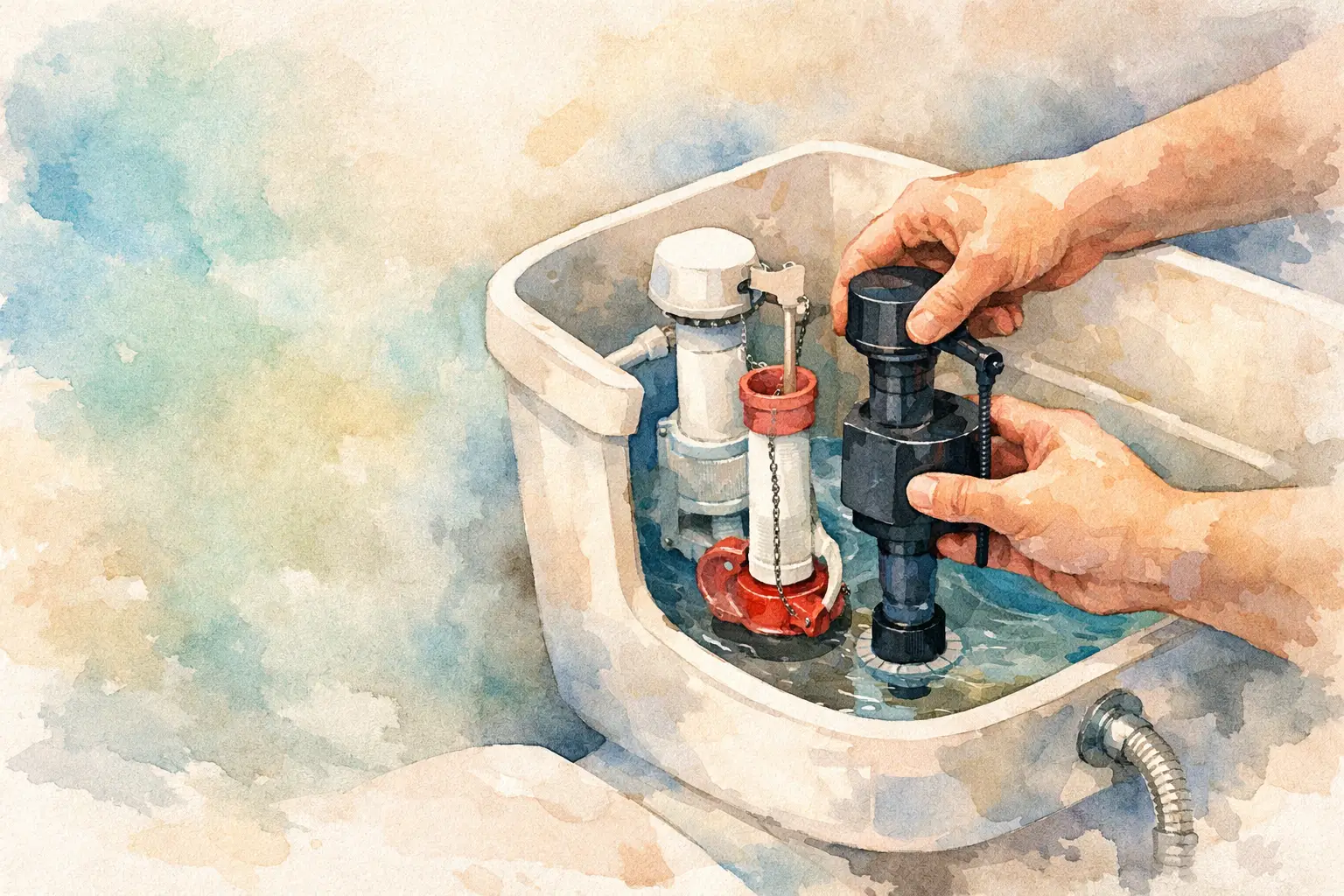
A toilet that refills every few minutes is easy to ignore until you hear it at 2 a.m. or open a water bill that makes no sense. A toilet keeps running repair is usually straightforward, but the right fix depends on where the water is escaping. The goal is not to silence the sound for a day. It is to stop wasted water with a repair that holds up.
Most running toilets have an issue inside the tank, not deep in the drain line. That is good news for homeowners. It also means a few careful checks can help you understand the problem before you book service. If water is spilling onto the floor, however, skip the investigation and shut off the water supply right away.
Why a Toilet Keeps Running
Your toilet tank fills after every flush, then stops at a set water level. When that cycle does not stop, water is either leaking from the tank into the bowl or the fill valve is allowing too much water into the tank. A small failure in one inexpensive part can send hundreds of gallons down the drain over time.
The two most common causes are a worn flapper and a faulty fill valve. The flapper is the rubber seal at the bottom of the tank. It lifts when you flush and should settle back into place to hold water in the tank. If it is warped, stiff, dirty, or not seated properly, water slips into the bowl and the tank keeps refilling.
The fill valve is the tall assembly that controls incoming water. It should stop once the tank reaches its proper level. When it sticks, wears out, or is adjusted too high, the tank can continue filling. You may hear a steady hiss, a periodic refill, or water running through the overflow tube.
A chain that is too short can also keep the flapper slightly raised. On older toilets, the flush valve seat beneath the flapper may be rough or cracked. These are small details, but they matter. No shortcuts – a replacement part will not solve the problem if the actual source of the leak is missed.
Start With a Simple Toilet Keeps Running Repair Check
Remove the tank lid carefully and set it on a towel or stable surface. Porcelain lids can crack more easily than they look. Then flush once and watch what happens as the tank refills.
First, look at the water level. It should stop below the top of the overflow tube, typically about an inch below the tube’s opening. If water is flowing into that tube, the fill valve is not shutting off at the right level. Depending on the valve style, a small adjustment may lower the float and stop the flow. If the valve is old, noisy, or inconsistent, replacement is often the better call.
Next, wait for the tank to fill completely. If the water level slowly drops without anyone flushing, the flapper is likely leaking. A quick dye test confirms it: add several drops of food coloring to the tank water, wait 15 to 20 minutes without flushing, and check the bowl. Colored water in the bowl means water is leaking past the flapper.
Also inspect the chain. It should have a little slack when the flapper is closed. A tight chain prevents a full seal, while an overly long chain can tangle beneath the flapper. If the chain length looks right but the flapper appears brittle, misshapen, or coated with mineral buildup, it is time to replace it.
What You Can Safely Try Yourself
Homeowners can handle a few low-risk checks if they are comfortable working around the toilet tank. Turn the shutoff valve behind or beside the toilet clockwise before removing any parts. Flush once to empty most of the tank water, then use a sponge or towel for what remains.
Cleaning the flapper and its sealing surface may help when buildup is minor. Wipe both gently with a soft cloth. Avoid harsh chemicals or abrasive pads that can damage the rubber and porcelain. If the flapper has lost its flexibility, cleaning is only a temporary answer. Replacing it is usually inexpensive and more reliable.
If you replace a flapper, take the old one with you when purchasing a new part or note the toilet’s model information. Flappers are not one-size-fits-all. A part that almost fits can leak just as badly as the worn one.
A fill valve can also be replaced by a confident DIY homeowner, but this is where small installation errors can create a bigger mess. The refill tube must be positioned correctly, the supply connection must be secure, and the water level needs to be set properly. If you are unsure, there is no shame in stopping there. A short repair visit is less stressful than discovering a slow leak behind the toilet later.
When to Call a Plumber
Call for professional help when the cause is unclear, the repair keeps failing, or the toilet is showing signs of a larger issue. A running toilet is often a simple repair, but repeat problems can point to worn internal components, high water pressure, a cracked overflow tube, or an aging fixture that needs more than one new part.
You should also book service if you notice water around the toilet base, soft flooring, a loose toilet, sewage smells, or trouble flushing. Those symptoms are different from a basic tank leak and may involve the wax seal, the toilet flange, or the drain connection. Do not keep flushing to test it. Water damage around a bathroom floor can spread quietly beneath tile or vinyl.
If the toilet will not stop filling and the shutoff valve does not fully close, treat it as urgent. Turn off the home’s main water supply if necessary and arrange emergency plumbing help. The same applies if a tank cracks or water begins overflowing onto the floor.
For Calgary homeowners, a fast diagnosis can make the difference between a small fixture repair and a disrupted bathroom. ValveOn Plumbing coordinates licensed, insured professionals who assess the issue, explain the repair in plain language, and provide clear invoicing before work moves forward. We do not guess. We assess. Then we fix what is actually causing the problem.
Why Waiting Costs More Than You Think
The occasional refill sound may not feel urgent, especially if the toilet still flushes normally. But continuous or frequent cycling wastes treated water every day. It can also wear down the fill valve further and leave you with a toilet that suddenly will not refill when your household needs it.
There is a practical middle ground here. You do not need emergency dispatch for every quiet tank leak, but you should not let it run for weeks while hoping it settles down. If you cannot identify a simple flapper issue, schedule a repair before the water waste and frustration add up.
Keep the Repair From Coming Back
After the toilet is working normally, listen for the tank to fill once and stop. Check the water level again after a few flushes. A properly repaired toilet should be quiet between uses, with no rippling water in the bowl and no intermittent hissing from the tank.
Avoid drop-in tank tablets unless the toilet manufacturer specifically approves them. Some products can wear out rubber seals and internal parts faster. If your water leaves heavy mineral deposits, an occasional visual check inside the tank can catch buildup before it affects the flapper or fill valve.
A running toilet is one of those home problems that starts small but interrupts daily life quickly. Shut off the water if there is overflow, try the simple checks if you are comfortable, and call for help when the repair is not clear. Solid work that stands the test of time starts with finding the real leak, not just quieting the noise.
Leave a Reply