

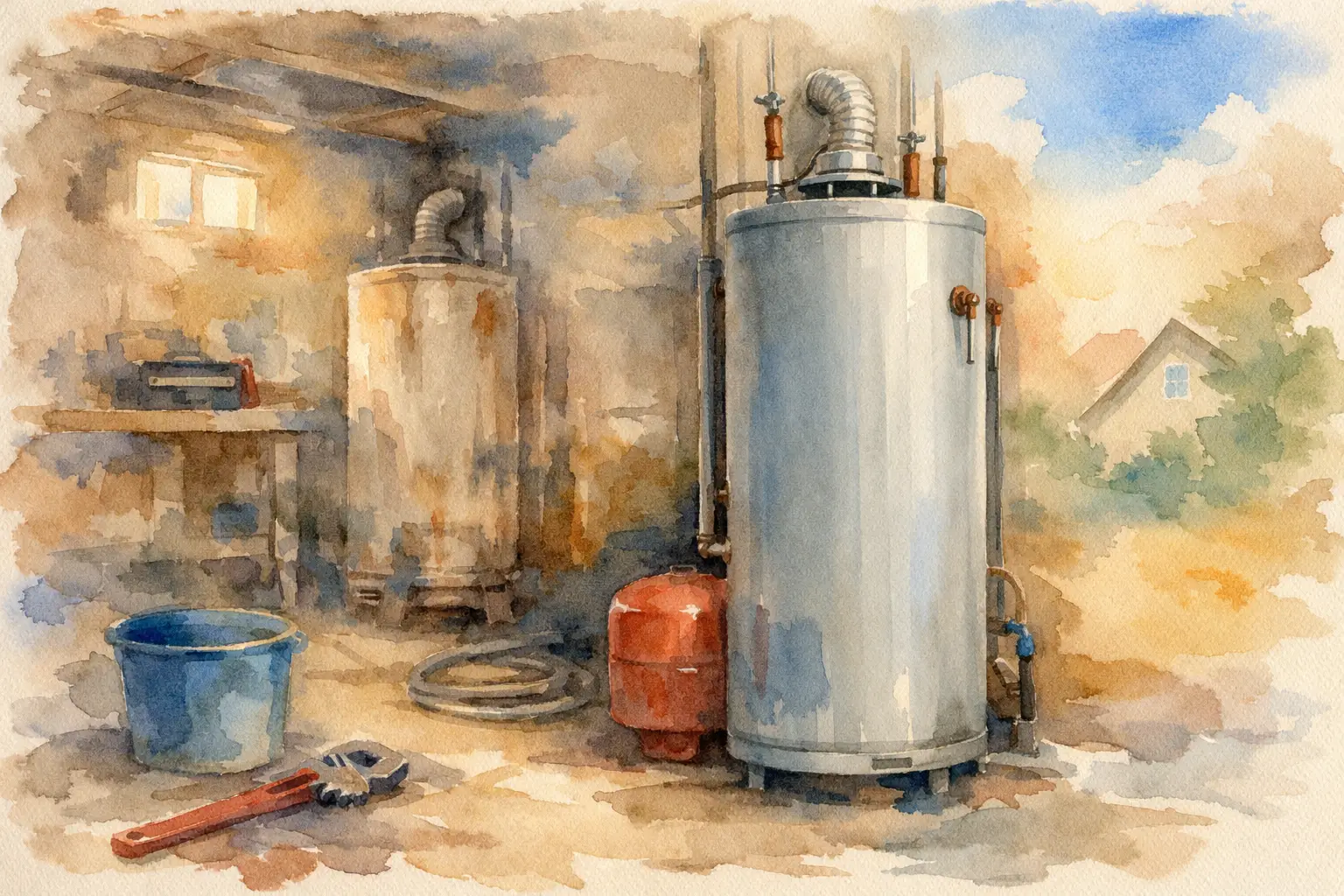
A cold shower is bad enough. A leaking water heater can turn a normal morning into a damaged-floor emergency. When you need water heater replacement Calgary homeowners can count on, the goal is not simply getting hot water back. It is choosing the right unit, addressing the cause of failure, and having the work completed safely with clear communication from start to finish.
A water heater rarely quits at a convenient time. It may start with lukewarm water, a strange rumbling sound, or a small puddle near the tank. Those signs deserve attention before a minor issue becomes a bigger disruption for your home and family.
When Water Heater Replacement Makes More Sense Than Repair
Not every hot water problem means the whole unit needs to be replaced. A failed heating element, thermostat issue, or worn valve may be repairable, particularly on a newer unit with an otherwise sound tank. A qualified plumber should assess the system before recommending a major expense. We do not guess. We assess.
Replacement is often the smarter call when the tank itself is corroded, leaking, or near the end of its expected service life. Conventional tank water heaters commonly last around eight to 12 years, although water quality, maintenance history, installation conditions, and household demand can all affect that range. A unit that has been reliable for a decade may still be repairable, but repeated repairs can quickly become money spent delaying the inevitable.
Watch for these signs that it is time to plan a replacement:
- Water pooling beneath the tank or rust streaks around the base
- Brown, rusty, or metallic-smelling hot water
- Rumbling, popping, or banging sounds as the tank heats
- Hot water that runs out much faster than it used to
- A water heater approaching or past its typical lifespan
A leak from a connection, drain valve, or pressure relief valve may have a targeted repair. A leak through the tank body cannot be patched reliably. Once the tank liner has failed, replacement is the safe, practical solution.
Choosing the Right Water Heater for Your Home
The best replacement is not always the biggest tank or the least expensive unit available. It needs to match your household’s daily hot water use, available fuel source, venting setup, and budget. A good installation begins with the right questions: How many people live in the home? Are there back-to-back showers in the morning? Is the laundry running while someone is bathing? Has your family grown since the current unit was installed?
Tank Water Heaters
A traditional tank-style water heater stores a set amount of hot water and remains a dependable choice for many Calgary homes. It is usually the most familiar option, can be straightforward to replace when the setup is similar, and offers predictable performance for everyday routines.
Tank capacity matters. A tank that is too small leaves the last person in line with a cold shower. One that is oversized can cost more to purchase and maintain than your household really needs. The correct size depends on demand, not just the number printed on the old tank.
Tankless Water Heaters
Tankless systems heat water as it moves through the unit, rather than storing it in a large tank. They can be an excellent fit for homeowners who want more continuous hot water, more usable floor space, or long-term efficiency benefits.
That said, tankless is not an automatic upgrade for every property. Installation may require changes to gas piping, venting, electrical supply, or water lines. The upfront cost can be higher, and proper sizing is critical. A unit that is undersized can struggle when several fixtures call for hot water at once. Solid work that stands the test of time starts with selecting equipment that fits the home, not selling a one-size-fits-all answer.
Why Professional Installation Matters
Water heater replacement involves more than disconnecting one appliance and sliding another into place. Gas connections, venting, combustion air, temperature and pressure relief protection, drain piping, shutoff valves, electrical components, and local requirements all need careful attention. Small installation mistakes can create major safety concerns or shorten the life of the new system.
A professional installer should inspect the surrounding plumbing, confirm that the new unit is properly sized, and identify issues that could affect performance. For example, an old shutoff valve that no longer closes fully may be worth replacing while the water is off. Improper venting or a missing drain pan can also create preventable trouble later.
The work should leave your space clean, secure, and ready to use. That includes testing for proper operation, checking connections, confirming safe temperature settings, and explaining what was installed in plain language. No confusing handoff. No shortcuts.
What to Do If Your Water Heater Is Leaking
If water is actively leaking from your heater, act quickly to limit damage. Move belongings away from the area and avoid touching electrical components or standing water near electrical equipment. If it is safe to do so, turn off the water supply to the heater. For a gas unit, avoid attempting repairs yourself or relighting anything if you smell gas.
A small leak can become a large one without much warning, especially when a tank has corroded from the inside. Call for professional help promptly if the leak is growing, water is spreading, or you cannot identify where it is coming from. Fast response matters when flooring, finished basements, or stored belongings are at risk.
For urgent failures, ValveOn Plumbing provides 24/7 emergency dispatch so homeowners are not left trying to manage a water heater problem alone. You get a clear update, a respectful professional in your home, and a practical path forward.
Planning Ahead Can Save You a Crisis
Most homeowners do not think about their water heater until it fails. That is understandable, but a little planning can prevent the worst kind of replacement: the one made in a rush with water on the floor and no hot shower available.
Check the manufacturing date on your existing unit if you have not done so recently. If it is approaching the later part of its lifespan, arrange an inspection or start discussing replacement options before it becomes an emergency. You will have more time to compare tank sizes, consider efficiency, and schedule the work around your household routine.
Preventive maintenance also helps. Periodic inspection can catch valve issues, sediment buildup, corrosion, and venting concerns early. Maintenance cannot make a failing tank last forever, but it can help a healthy system perform more reliably and give you a better warning when replacement is near.
Clear Pricing and a Calmer Replacement Experience
A water heater problem puts pressure on the household quickly. You may be worried about the cost, the mess, and whether the job will be done right. A trustworthy service experience should reduce that pressure, not add to it.
Ask for an explanation of what failed, why replacement or repair is being recommended, and what the quoted work includes. The answer should be direct. You should understand the equipment choice, installation scope, and any necessary updates before work begins.
The right team respects your time and your home. They show up prepared, protect the work area, communicate clearly, and handle the details carefully. Hot water is a basic part of daily life, from morning showers to dishes and laundry. When it is time to replace your water heater, choose a solution that brings that comfort back without creating another problem to solve.
Leave a Reply