

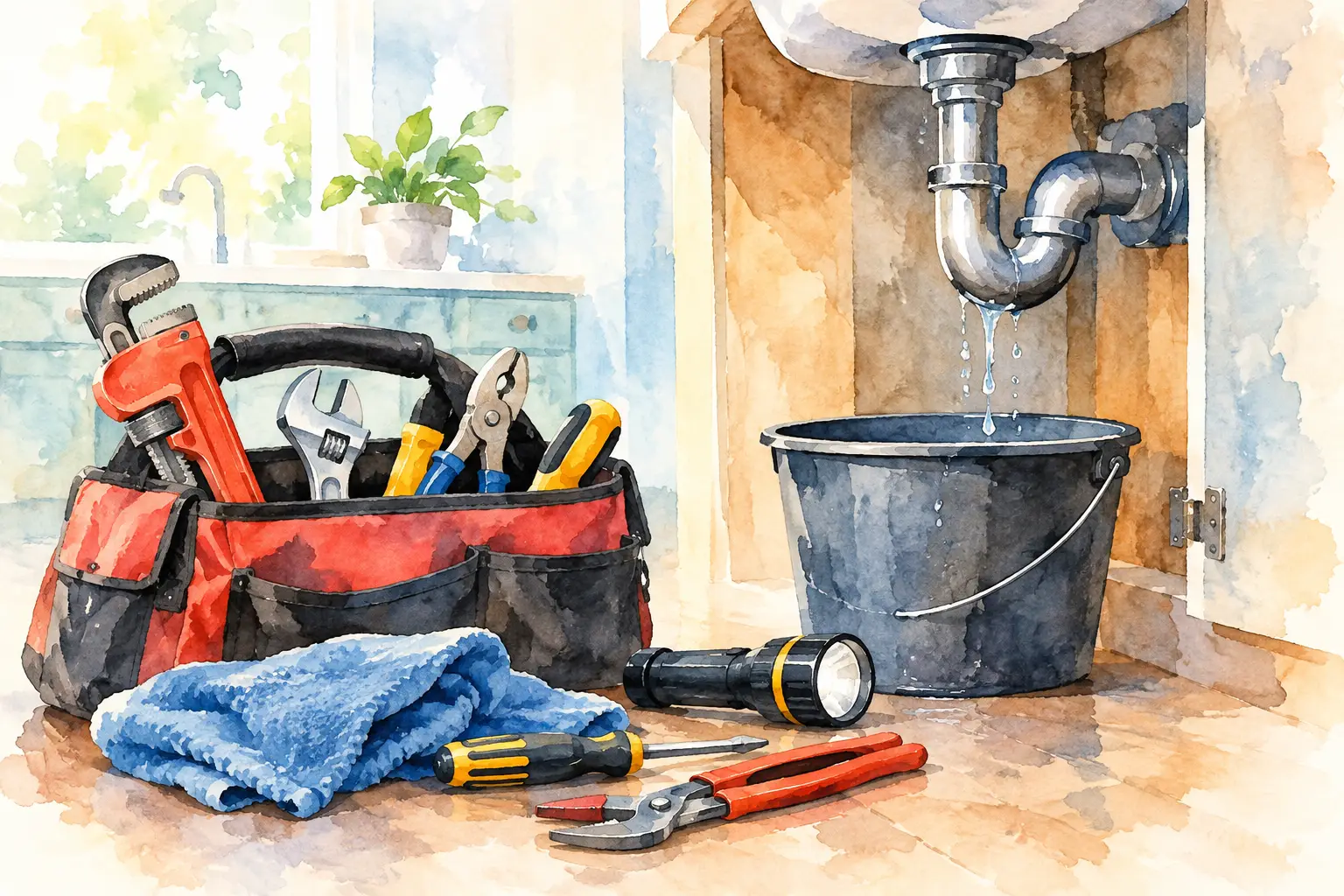
A burst supply line can turn a quiet evening into a soaked floor in minutes. That is why plumbing emergency essentials are not just a few tools under the sink. They are the knowledge, supplies, and next steps that help you limit damage before a licensed professional arrives.
You do not need to become your household plumber. You just need a simple plan that works when the water is running, the hot water tank has failed, or a toilet is backing up at the worst possible time. A calm first response can protect your home, your belongings, and your budget.
Start With the Most Important Essential: Water Shutoff
The single most useful thing in a plumbing emergency is knowing how to stop the water. Every capable homeowner should know where the main water shutoff valve is and make sure it can be turned without force. It is often near the water meter, where the main line enters the home, or in a utility area. In some homes, especially older properties, finding it may take a little investigation.
Test the valve before an emergency, but do it gently. If it is seized, corroded, or difficult to access, schedule a repair rather than waiting for a real leak. A valve that will not close is a small issue until it becomes a very expensive one.
Fixtures also have local shutoff valves. Look beneath sinks, behind toilets, and near the washing machine. If a toilet supply line is leaking, shutting off that individual valve may keep water available elsewhere in the home. If the leak is behind a wall, from a ceiling, or from an unknown source, turn off the main water supply right away.
For water coming from a hot water tank, switch off the energy source as well. Turn off the breaker for an electric unit or set the gas control to off if you smell gas or see an active leak around the tank. Do not attempt to drain or repair a failing tank while the system is energized or pressurized.
The Plumbing Emergency Essentials Kit to Keep Handy
A basic emergency kit should be easy to find, not buried behind holiday decorations or stored in a damp corner of the garage. Keep it in a labeled bin near your utility room, kitchen, or laundry space.
Include these practical items:
- A sturdy plunger with a flange for toilets and a separate cup plunger for sinks
- A bucket, old towels, absorbent cloths, and a wet/dry vacuum if you have one
- Adjustable pliers, a pipe wrench, screwdrivers, and a flashlight with fresh batteries
- Rubber gloves, safety glasses, duct tape, waterproof repair tape, and a small supply of zip ties
- A drain strainer, a drain snake for minor clogs, and disposable bags for cleanup
These tools are for short-term containment and straightforward problems, not major repairs. Tape can slow a small leak from an accessible pipe long enough to reduce damage, but it is not a permanent repair. Chemical drain cleaners are usually not a good emergency essential. They can damage some pipes, create hazardous splashes, and make a professional’s work more difficult if the clog remains.
Keep your home insurance information, emergency contact numbers, and photos of your main shutoff location somewhere accessible, too. When water is spreading, nobody wants to search through old folders or scroll through a full phone contact list.
Know Which Problems Need Emergency Dispatch
Not every drip needs a middle-of-the-night call. A slowly dripping faucet can usually wait for a scheduled repair, especially if you can shut off the fixture valve. A steady leak under a sink may also be manageable until morning if the local valve stops it completely and the cabinet is dry.
Other situations should be treated as urgent. Call for emergency plumbing help when you have an active burst pipe, water coming through a ceiling, sewage backup, a toilet overflowing that will not stop, a failed hot water tank that is leaking heavily, or no water throughout the home. In Calgary, frozen pipes and cold-weather failures also deserve quick attention. A pipe may split as it thaws, even if it seemed fine during the coldest part of the day.
Gas odors require a different response. Leave the area, avoid operating switches or appliances, and contact the gas utility or emergency services from a safe location. Do not treat a possible gas leak as a standard plumbing repair.
When in doubt, consider the source, volume, and direction of the water. Clean water from a small visible supply line is one thing. Water spreading from a drain, toilet, or floor drain can carry contamination and may signal a larger blockage. Do not gamble with sewage. Keep children and pets away, avoid using affected fixtures, and get professional help.
What to Do in the First 15 Minutes
Once you have stopped the water or contained the immediate flow, focus on protecting the home. Move rugs, electronics, documents, and furniture away from the affected area. Place a bucket under a controlled drip and use towels to create a barrier that keeps water from reaching other rooms.
If water is near electrical outlets, appliances, or your breaker panel, do not step into standing water. Turn off power only if you can do so safely from a dry area. When safety is uncertain, leave the space and call for qualified help.
Take a few clear photos and short videos before cleanup begins. Document the source of the leak, visible damage, and any belongings affected by water. This can help with insurance questions later, but do not delay shutting off water or arranging service just to get perfect photos.
Then make the call with useful details ready: where the leak is located, whether the water is off, how long the issue has been happening, whether drains or toilets are backing up, and whether electricity or gas may be involved. Clear details help the dispatcher send the right support and help the plumber arrive prepared.
Avoid the Fixes That Make Damage Worse
The temptation to solve a problem fast is understandable. Still, a few common moves can turn a repair into a larger restoration project.
Do not keep flushing a toilet that is rising. Remove the tank lid and push the flapper closed if it is stuck open, then turn off the toilet’s supply valve. Do not use a plunger on a toilet after pouring in chemical cleaner, and never combine cleaning products in a drain.
Do not use an open flame to thaw a frozen pipe. It can damage the pipe, scorch surrounding materials, and create a fire hazard. Gentle heat from a hair dryer can be appropriate for an exposed pipe if there is no standing water, but a hidden frozen pipe or bulging section needs professional assessment.
Do not crank hard on old shutoff valves, corroded fittings, or a stuck drain cleanout. A broken valve or fitting can release far more water than the original issue. We do not guess. We assess. The right repair starts with controlling the risk, not forcing the part.
Make Your Home Easier to Protect Next Time
The best emergency preparation happens on an ordinary day. Walk through your home and identify the main shutoff, fixture shutoffs, hot water tank controls, and electrical panel. Make sure utility spaces are not blocked by storage. If family members or tenants live in the home, show them where these essentials are.
A yearly plumbing inspection is especially worthwhile for older homes, homes with recurring drain problems, and properties with aging hot water equipment. Small warning signs matter: rusty water near a tank, damp spots in a cabinet, slow drains in more than one fixture, fluctuating water pressure, or a toilet that runs often. These are opportunities to fix a manageable issue before it chooses the timing for you.
For homeowners who travel in winter, consider shutting off the main water supply when the home will be vacant for an extended period, if your heating system and home setup allow it. The right approach depends on your plumbing system, so ask a professional before making changes that could affect your boiler, water heater, or heating protection.
A plumbing emergency is stressful enough without wondering who to trust. Keep your essentials close, know when to shut the water off, and call ValveOn Plumbing when the problem needs fast, accountable help. Solid work that stands the test of time begins with one smart, calm first step.
Leave a Reply