

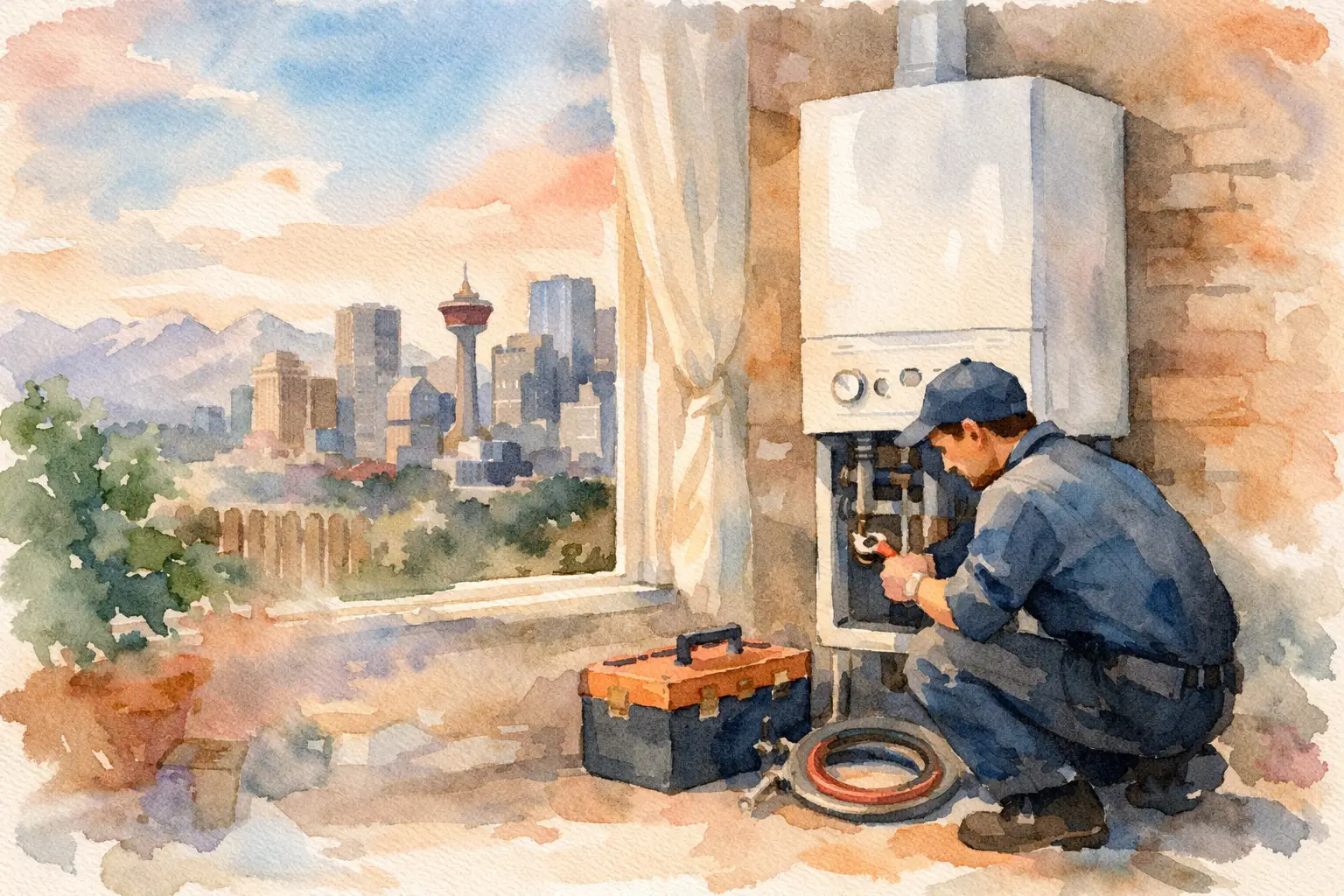
A boiler rarely chooses a convenient time to act up. It is usually early in the morning, during a cold Calgary stretch, or just as the family is getting ready for the day. When you need boiler repair Calgary homeowners can depend on, the goal is not a temporary patch. You need a clear diagnosis, safe work, upfront communication, and heat you can count on when the temperature drops.
Boilers are built to work quietly in the background. When they start making noise, losing pressure, leaking, or failing to heat your home evenly, they are telling you something is wrong. Responding early can often protect your comfort, prevent larger damage, and give you more control over the repair.
When a Boiler Problem Needs Attention Now
Some boiler issues can wait for a scheduled appointment. Others should be treated as urgent, especially in cold weather. If you smell gas, notice a carbon monoxide alarm, see heavy leaking, or your boiler has stopped producing heat during freezing conditions, take the situation seriously.
If you smell gas, leave the area, avoid switches and open flames, and contact the gas utility or emergency services from a safe location. Do not attempt to relight, open, or repair the boiler yourself. A boiler combines water, heat, pressure, and fuel. This is not the place for trial and error.
A water leak also deserves a prompt response. Even a small drip near a boiler can point to a failing valve, seal, pump, pressure issue, or corroded component. Left alone, it can damage flooring and walls while putting more strain on the system. If water is actively pooling, shut off the water supply only if you know where it is and can do so safely, then arrange service.
No heat is another reason to call quickly. The cause may be straightforward, such as a thermostat setting or low system pressure, but it can also involve ignition, circulation, controls, or a safety shutoff. We do not guess. We assess.
Signs You May Need Boiler Repair in Calgary
Boilers often give homeowners a warning before they fail completely. Catching those signals can mean a smaller repair and less disruption to your home.
Uneven Heat Around the House
If one room is comfortable while another stays cold, the issue may be trapped air, poor circulation, a pump problem, a zone valve concern, or buildup in parts of the heating system. Adjusting the thermostat higher will not solve an underlying circulation problem. It may simply make the boiler work harder.
Pressure That Keeps Dropping
Many boiler systems have a pressure gauge. A reading that repeatedly falls outside its normal operating range can signal a leak, an expansion tank issue, or a component that needs professional attention. It is tempting to keep refilling the system, but repeated pressure loss is a symptom, not a solution.
Strange Sounds
Banging, whistling, gurgling, or a sound often described as kettling should not be ignored. Some noise can come from air in the system. Other sounds may point to mineral buildup, restricted water flow, or a pump that is struggling. A licensed professional can identify the source without replacing parts that do not need replacing.
Higher Energy Bills Without a Clear Reason
A gradual rise in heating costs can be easy to miss, particularly during a long winter. But if your habits have not changed and the boiler is running more often, reduced efficiency may be part of the problem. Maintenance or repair may restore performance, though the right answer depends on the unit’s age, condition, and repair history.
Discolored Water or Visible Corrosion
Rust around fittings, staining beneath the unit, or discolored water near a boiler system calls for an inspection. Corrosion can stay hidden until a small issue becomes a leak. A careful assessment helps determine whether a targeted repair is sensible or whether a larger component has reached the end of its service life.
What You Can Check Before Calling
Homeowners can safely rule out a few simple causes without taking the boiler apart. Confirm the thermostat is set to heat and set above the current room temperature. Check that the boiler has power and that a breaker has not tripped. If your unit has a visible pressure gauge, note the reading so you can share it with the technician.
You can also look for obvious water around the appliance or listen for unusual sounds. That information helps speed up the diagnosis. Do not remove the boiler cover, reset it over and over, tamper with gas connections, or try to force pressure back into the system without knowing why it dropped.
A reset can occasionally clear a minor control error, but repeated resets are a warning sign. If the fault returns, the boiler is asking for professional attention.
What a Proper Boiler Repair Visit Should Look Like
A good repair starts with questions, not assumptions. A technician should ask what changed, when the problem began, whether the issue is constant or intermittent, and what you have noticed around the home. Those details matter because a boiler that fails only overnight may have a different cause than one that loses heat all day.
From there, the system should be inspected methodically. That can include checking pressure, controls, ignition operation, circulation, venting, valves, and visible signs of leaks or wear. The exact process depends on the boiler type and symptoms, but the standard should stay the same: identify the cause before recommending the fix.
You should also receive a plain-language explanation of the issue and the available options. Sometimes a repair is the practical choice. Other times, especially with an older boiler that has frequent failures or hard-to-source parts, replacement can make more financial sense. There is no one-size-fits-all answer. The useful question is whether the repair offers reliable value for your home and budget.
At ValveOn Plumbing, we believe you deserve honest answers before work begins. Our service team coordinates licensed, insured professionals who respect your home, explain the work clearly, and keep communication simple from scheduling through invoicing. No shortcuts. Just solid work that stands the test of time.
Repair, Maintenance, or Replacement?
A single failed part does not automatically mean you need a new boiler. If the system is otherwise in good condition, a focused repair may restore dependable performance for years. Regular maintenance can also help catch developing issues, improve efficiency, and reduce the chance of a surprise breakdown during the heating season.
Replacement becomes worth discussing when repairs are becoming frequent, the unit is near the end of its expected service life, energy use has climbed, or a major component has failed. The upfront cost is higher, so it deserves a straightforward conversation, not pressure. A professional should help you understand the trade-offs between repair costs, expected reliability, and long-term operating efficiency.
For homeowners planning renovations, it is also smart to consider the boiler system early. Changes to bathrooms, additions, radiant heating, or hot-water demand can affect what your existing equipment needs to handle. Planning ahead is usually less stressful than adapting after walls are closed.
Protect Your Home Between Service Visits
The best way to reduce boiler trouble is to pay attention to small changes. Keep the area around the boiler accessible and free of stored items. Watch for leaks, new noises, uneven heating, and pressure changes. Schedule preventative service before the coldest part of the year when possible, rather than waiting until the system is under maximum demand.
If your boiler stops working, do not let uncertainty keep your family uncomfortable. A prompt, professional assessment can turn a stressful interruption into a manageable repair – with clear answers, careful workmanship, and a warmer home ahead.
Leave a Reply