

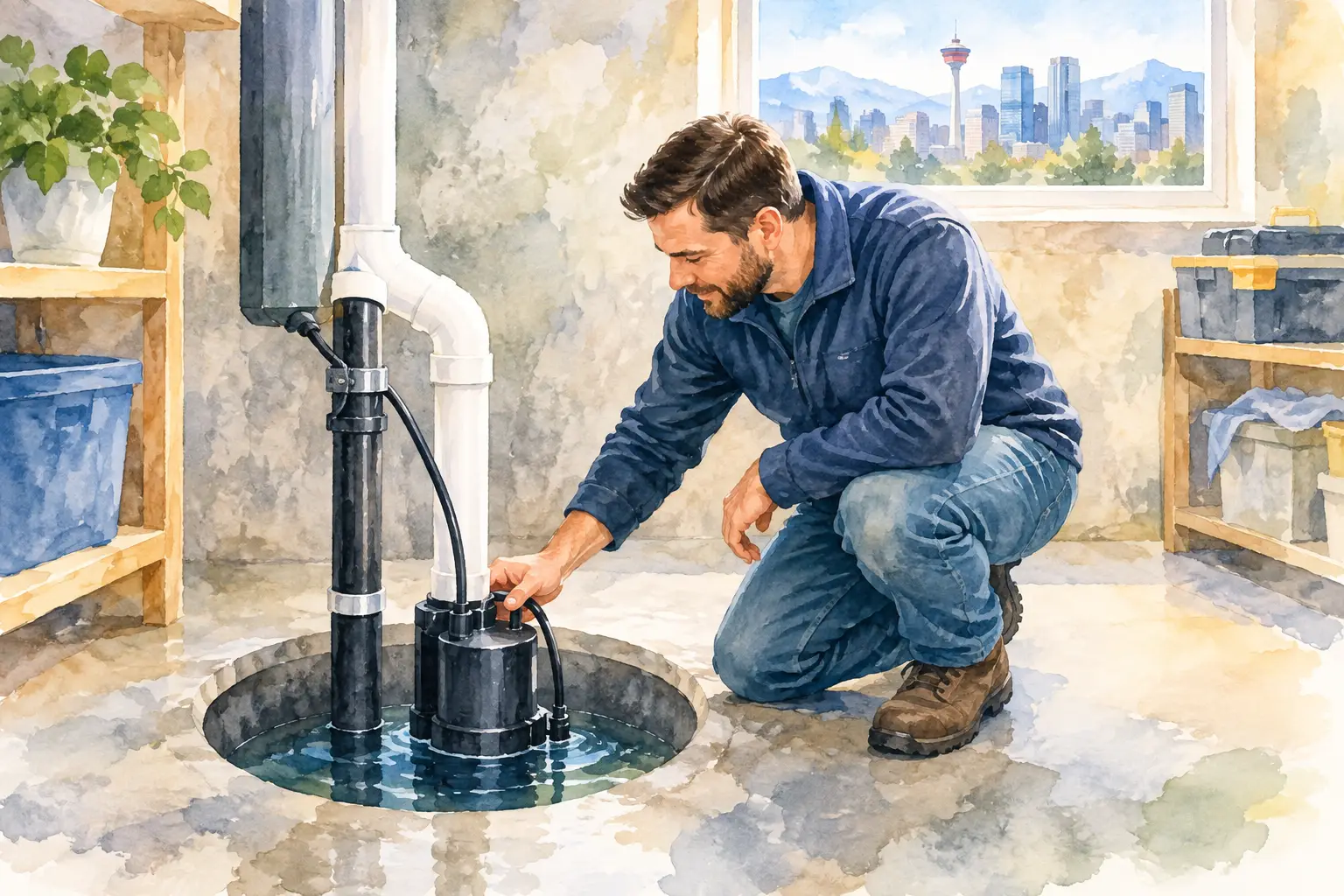
A sump pump can sit quietly for months, then become the most valuable appliance in your basement during a heavy rainstorm or fast spring thaw. That is why sump pump maintenance Calgary homeowners schedule before trouble starts is worth far more than a last-minute cleanup after water reaches the floor.
For many homes, the sump pump is the first line of defense against groundwater collecting beneath the foundation. When it works, you may barely notice it. When it fails, the damage can spread quickly to flooring, drywall, storage, and the parts of your home that make daily life comfortable. A few simple checks and timely professional service can make a major difference.
Why Calgary sump pumps need regular attention
Calgary weather can change fast. Frozen ground, melting snow, sudden warm spells, and heavy rain can all affect how much water reaches the drainage system around your foundation. A pump that handled last year’s conditions may not be ready for the next big runoff if its float is stuck, its discharge line is blocked, or its power connection has failed.
Age matters too. Like any mechanical equipment, sump pumps have moving parts that wear down. Dirt and sediment can build up in the basin, the check valve can stop working properly, and the pump motor can lose performance over time. The pump may still make noise, but that does not always mean it is moving water where it needs to go.
No shortcuts here. A quick visual glance is helpful, but a proper maintenance visit looks at the system as a whole: the basin, pump, float, outlet pipe, check valve, power supply, and backup plan.
What to check between service appointments
Homeowners do not need to take apart their sump pump to stay ahead of problems. A few careful checks throughout the year can reveal warning signs early. Spring is an especially good time to test the system, but it is also smart to check it before a forecasted period of heavy rain.
Start by making sure the pump has power. Look at the plug, outlet, and circuit breaker. A sump pump should generally be plugged directly into a properly working outlet, not an overloaded extension cord. If the outlet has a ground-fault reset button, confirm it has not tripped.
Next, look inside the pit. Remove loose debris around the pump, but do not reach into the basin while the unit is powered. The float needs room to rise and fall freely. If it is caught against the wall, tangled with a cord, or buried in debris, the pump may not turn on when water levels rise.
You can perform a basic operational test by slowly pouring water into the basin until the float activates the pump. Watch to see whether the pump starts, moves water out, and shuts off after the water level drops. Do not let the pump run dry for long. If it hums without pumping, cycles repeatedly, fails to start, or does not shut off, it is time to arrange service.
Listen, too. New rattling, grinding, loud vibration, or an unusually long run time can point to a developing issue. Your pump does not need to be silent, but it should operate without drama.
The discharge line is just as important as the pump
A perfectly good sump pump cannot protect your basement if the water has nowhere to go. The discharge line carries water away from the home, so it needs to stay clear, connected, and properly directed.
Outside, check that the line is not blocked by leaves, dirt, ice, or landscaping materials. The outlet should discharge water away from the foundation, not beside it where it can seep back into the soil and return to the sump pit. During freezing weather, an exterior line can become obstructed by ice. If that happens, the pump may run continuously or water may back up into the basin.
Inside, the check valve helps prevent discharged water from flowing back into the pit after the pump shuts off. When this valve fails, the pump may cycle more often than necessary. That creates extra wear and can shorten its working life. A plumbing professional can inspect the valve, pipe connections, and routing to confirm the full system is doing its job.
Warning signs you should not ignore
Some sump pump failures are sudden, but many give homeowners a heads-up. If you notice water collecting around the pit, a musty basement smell, damp spots near finished walls, or a pump that runs at odd times, do not wait for the next storm to investigate.
A pump that runs constantly can mean the float is stuck, the check valve is failing, groundwater levels are unusually high, or the pump is undersized for the conditions. On the other hand, a pump that never runs is not automatically a good sign. It may simply mean the water level has not risen, but it could also mean the unit is not receiving power or cannot activate.
Pay attention if your pump is older and you do not know its service history. There is no single replacement timeline that fits every home because usage, pump quality, installation, and water conditions all matter. Still, an older pump deserves closer monitoring, especially if your basement contains finished rooms, valuables, or essential equipment.
Sump pump maintenance in Calgary: what a professional visit includes
A professional sump pump maintenance appointment is about reducing uncertainty. Instead of waiting to find out whether the system works during an emergency, a licensed plumber can test its performance under controlled conditions and identify issues before water enters the home.
Service may include cleaning sediment from the pit, checking the float switch, testing pump operation, inspecting the check valve, examining discharge piping, and confirming that electrical connections appear safe and secure. If your home has a battery backup or secondary pump, that system should be tested as well. A backup is only useful if the battery holds a charge and the unit activates when needed.
The right recommendation depends on your home. A household with a dry, unfinished basement may need a different approach than a home with a renovated lower level, a history of water intrusion, or frequent power interruptions. Sometimes maintenance is enough. Sometimes replacing a worn pump before it fails is the more practical and less stressful choice.
At ValveOn Plumbing, the goal is simple: assess the condition clearly, explain the options in plain language, and complete solid work that stands the test of time. You should know what is being done, why it matters, and what it will cost before work moves forward.
Do not forget the power-outage plan
Heavy storms can cause power interruptions at the exact moment a sump pump is needed most. If your home relies on a single electric pump, consider what happens if the power goes out while water is entering the pit.
A battery backup system can provide temporary protection, but batteries require regular testing and eventual replacement. Some homeowners may also consider a secondary pump or another backup option based on their property, risk level, and budget. There are trade-offs: added protection comes with equipment costs and maintenance needs. A professional assessment can help you choose a setup that makes sense rather than paying for features your home may not need.
It is also wise to keep the area around the sump pit accessible. Avoid stacking boxes, furniture, or renovation materials over the lid. If a technician needs to inspect the system or you need to respond quickly, clear access saves time.
When to call for help
Call for prompt plumbing service if your pump will not start during a test, the basin is filling without draining, water is appearing on the basement floor, or the pump is making loud mechanical noises. If active water is entering your home, treat it as urgent. Shut off power to the affected area only if it is safe to do so, keep people away from standing water near electrical equipment, and arrange emergency help.
For everything else, preventative service is the calmer option. A scheduled check before spring runoff or the rainy season gives you time to repair, replace, or upgrade without making decisions under pressure.
A working sump pump is not something you should have to think about every day. Give it a little attention before the weather turns, and it can keep doing its quiet job: helping protect the basement where your family lives, stores, and makes a home.
Leave a Reply