

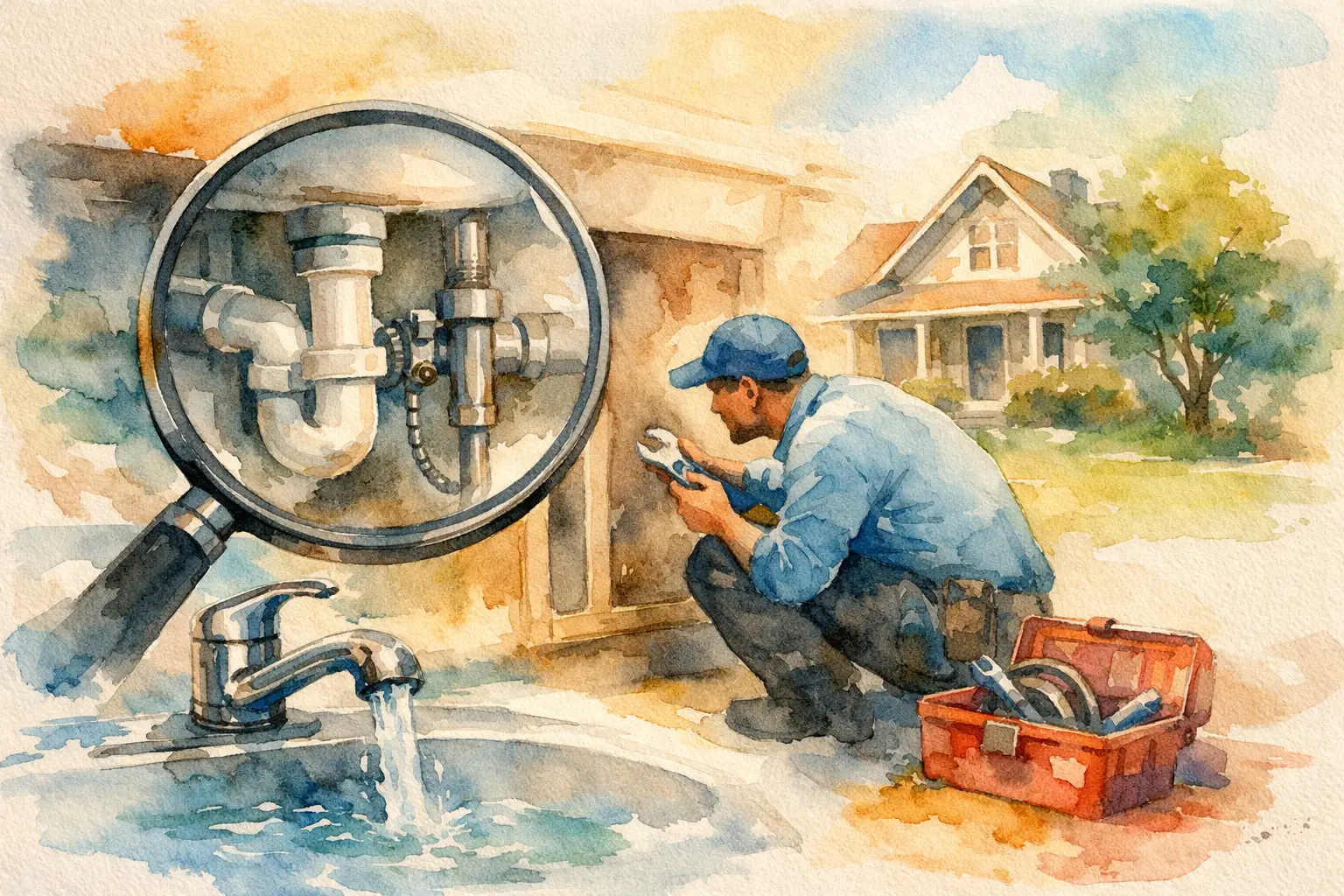
A beautiful kitchen and fresh paint can make a house feel like home within minutes. A slow sewer line, hidden water leak, or failing water heater can change that feeling just as fast. A plumbing inspection for homebuyers gives you a clearer picture of what is behind the walls, under the floors, and below the yard before the keys are in your hand.
A standard home inspection is valuable, but plumbing is only one part of a much larger review. The inspector may identify visible concerns, run a few fixtures, and flag obvious defects. That is not always enough to reveal a partially blocked drain, aging supply lines, a weak water heater, or a sewer problem waiting to surface. No shortcuts. If the home has warning signs, a dedicated plumbing assessment is a practical way to protect your budget and your first months of ownership.
Why a General Home Inspection May Not Be Enough
Home inspectors look for broad signs of condition and safety. They are not usually there to diagnose every plumbing component, dismantle accessible connections, or send a camera through the sewer line. Their report might say that a fixture drains slowly or that the water heater is nearing the end of its expected service life. A plumber can help determine why and what the repair is likely to involve.
That distinction matters during a real estate transaction. A small drip under a bathroom sink may be a simple repair. Low water pressure throughout the house could point to mineral buildup, a pressure issue, aging pipes, or a valve that is not fully open. The right next step depends on the evidence, not a guess based on one symptom.
A focused inspection is especially useful for older homes, properties that have been vacant, homes with finished basements, or houses that have had quick-looking renovations. Newer homes can have issues too. Poor installation, damaged fixtures, or a construction defect does not become less expensive just because the paint is new.
What a Plumbing Inspection for Homebuyers Can Cover
The exact scope should fit the home and the concerns already identified. A qualified plumbing professional typically begins with accessible, visible systems and tests how the plumbing performs under normal use. They can explain what is functioning well, what needs attention soon, and what deserves further investigation.
Water supply and shutoff valves
The inspection may include visible supply lines, exposed pipes, main shutoff access, fixture shutoffs, and signs of corrosion or previous leaking. Being able to locate and operate the main water shutoff is not a small detail. When a pipe bursts or a washing machine hose fails, every minute matters.
Older materials deserve a closer look. Depending on the age and history of the property, this can include galvanized steel, polybutylene, cast iron, or older copper piping. Material alone does not always mean immediate replacement. Its condition, past repairs, water pressure, and accessibility all affect the decision and cost.
Drains, toilets, and fixture performance
A plumber can run water at sinks, tubs, and showers; flush toilets; and look for slow drainage, backups, leaks, loose fixtures, or poor seals. One slow sink may be a localized clog. Multiple slow fixtures can suggest a larger drain or venting concern.
They will also look where problems often hide: beneath sinks, around toilet bases, at tub access panels when available, and near laundry connections. Staining, swollen cabinetry, musty odors, and patched flooring can tell a story even if everything appears dry during the showing.
Water heater and hot water delivery
A water heater should be evaluated for age, visible rust, leaking connections, proper venting where applicable, and general performance. Buyers should know whether they are looking at years of remaining service or a likely replacement soon after moving in.
Ask about capacity, fuel type, and whether the system suits the household you expect to have. A small tank may work for one or two people but feel frustrating for a family with back-to-back showers. A tankless system can be efficient, but repairs and installation changes may cost more. The best choice depends on demand, the home’s setup, and the budget for future upgrades.
Sewer line condition
The sewer line is one of the most overlooked parts of a home purchase because much of it is underground. A sewer camera inspection can show roots, cracks, offsets, buildup, bellies in the line, or deteriorating pipe material. It cannot predict every future failure, but it can reveal issues that a fixture test inside the home may miss.
For many buyers, this is the most valuable add-on when the house is older, has large mature trees, has a history of backups, or uses an aging sewer material. It may also be worth considering if the property has been renovated or if new landscaping could make future excavation more difficult.
Warning Signs to Watch for During a Showing
You do not need to be a plumber to notice when a house needs a closer look. Pay attention to persistent drain odors, bubbling toilets, slow drains, weak water pressure, water stains, or a water heater that looks heavily rusted. Fresh paint in one isolated ceiling area, new flooring around a toilet, or an unusually strong air freshener near a bathroom can also justify a question.
Outside, check for soggy patches near the foundation, unusual green areas of lawn, or a cleanout that appears damaged or buried. In colder climates like Calgary, ask whether any pipes have frozen in the past and whether exterior plumbing has been winterized properly. A previous freeze does not automatically mean ongoing trouble, but it is useful history.
Do not skip an inspection just because the seller says a problem was repaired. Ask what was repaired, when it was done, and whether there is documentation. A good repair can be reassuring. A vague answer is a reason to inspect further.
When a Sewer Camera Inspection Is Worth the Extra Cost
A sewer camera inspection is not mandatory for every transaction, but it is often a smart choice when the risk is higher. The cost of the camera work is small compared with digging up a sewer line, repairing a collapsed section, or cleaning up a backup after move-in.
It is particularly helpful if the home was built decades ago, trees sit between the house and the street connection, drains have backed up before, or the general inspection mentions slow drainage. Homes with a basement suite or a busy household also put more demand on the drainage system, making a clear picture of the line more valuable.
Camera results require context. Light buildup may be addressed with proper cleaning and maintenance. Root intrusion may be manageable in the short term but need a longer-term repair plan. A break, major offset, or severely deteriorated pipe needs a more direct conversation with your agent, seller, and plumbing professional before conditions are removed.
How to Use the Results Without Losing Perspective
An inspection report is not a reason to panic over every worn washer or aging faucet. Every house has maintenance needs. The goal is to separate routine fixes from repairs that affect safety, daily comfort, or the true cost of ownership.
For smaller items, you may simply build the work into your moving budget. For a water heater near failure, widespread pipe corrosion, or a significant sewer issue, request clear repair estimates and discuss your options before the purchase becomes final. Depending on your market and contract terms, that could mean asking for repairs, requesting a credit, adjusting the price, or walking away.
Keep the wording specific. Instead of asking for a vague plumbing credit, identify the concern and the estimated scope. Clear documentation makes a difficult conversation more productive and helps everyone understand what is being addressed.
Schedule the Inspection at the Right Time
The best time for a plumbing inspection is during your purchase due-diligence period, after the initial home inspection has given you a starting point and before you are committed without options. Schedule early enough to review findings, seek estimates if needed, and make informed decisions without a last-minute rush.
Make sure water, power, and gas service are active if possible. Ask the seller or listing agent for access to utility rooms, mechanical spaces, crawl spaces, and any relevant maintenance records. If you are ordering a sewer camera inspection, confirm that the plumber can reach the cleanout or has an appropriate access point.
A good plumbing professional will communicate in plain language. You should leave knowing what they found, how urgent it is, what repair paths exist, and what questions to take back to your real estate team. ValveOn Plumbing believes homeowners deserve that kind of clarity: accurate assessment, upfront communication, and solid work that stands the test of time.
The right home is not necessarily the one with zero plumbing notes. It is the one where you understand the system you are buying, the repairs you can plan for, and the surprises you have not agreed to inherit. Before you picture where the couch will go, make sure the water and drains have a story you are comfortable living with.
Leave a Reply