

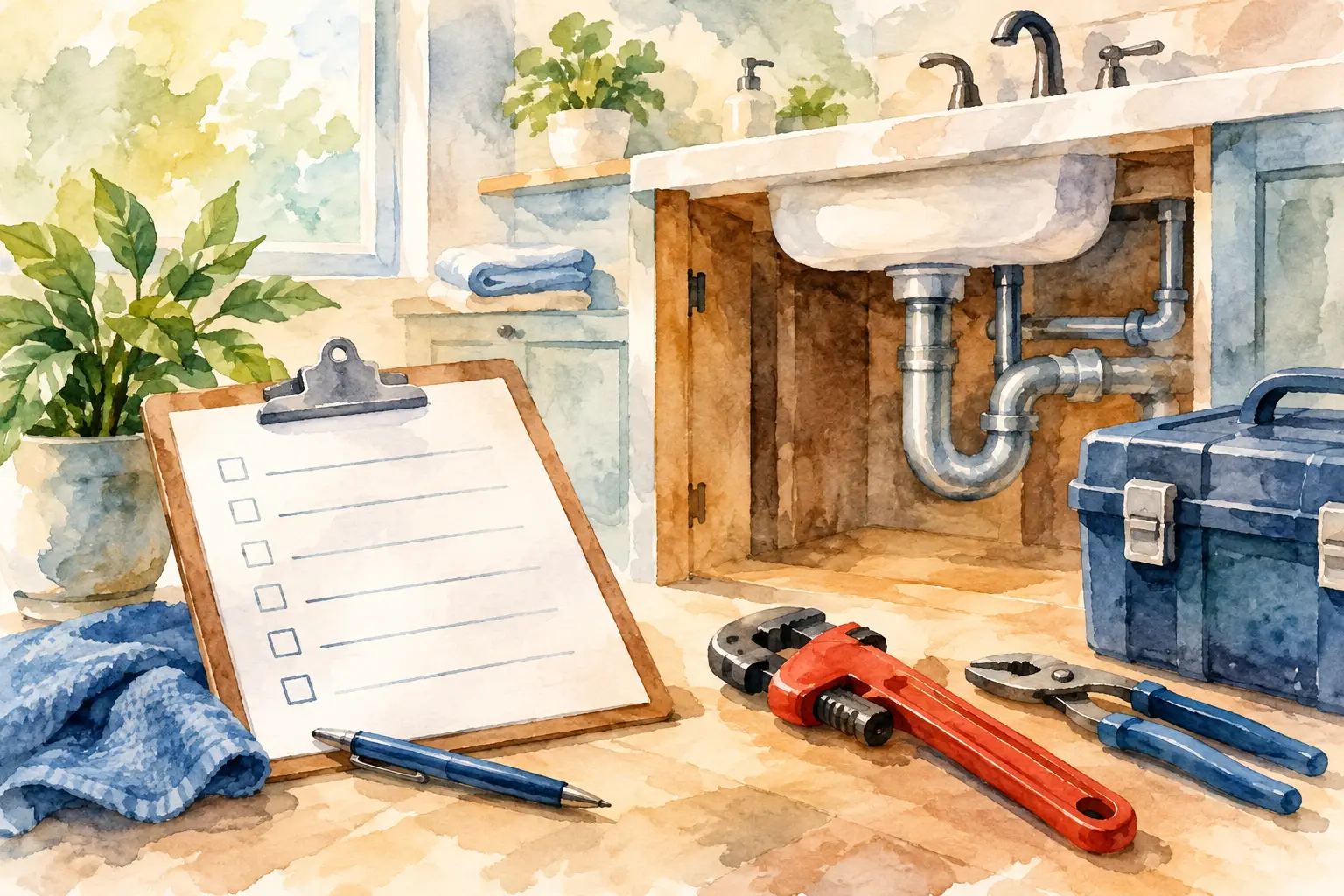
A small drip under a sink can stay small for weeks, then turn into a swollen cabinet floor, moldy drywall, and a repair nobody planned for. A preventative plumbing maintenance checklist gives you a practical way to catch those quiet warning signs before they disrupt your home, budget, or family routine.
You do not need to become a plumber to look after the basics. You do need to know what is normal in your home, what deserves attention, and when to call a licensed professional. No shortcuts. A little routine care goes a long way toward solid plumbing work that stands the test of time.
Start With a Monthly Walk-Through
Once a month, take ten minutes to look at the places where water enters, leaves, and is used most often. Check beneath kitchen and bathroom sinks for moisture, staining, corrosion, or a musty smell. Run your hand around exposed supply lines and shutoff valves. They should be dry.
Then listen. A toilet that refills on its own, a faucet that drips after being turned off, or pipes that bang when an appliance stops filling are all worth investigating. These problems may be minor repairs, but they can also point to a worn valve, loose pipe support, or failing toilet component.
Your monthly check should include these items:
- Look under sinks, behind toilets, and around the base of tubs and showers for leaks or soft flooring.
- Watch for slow drains in sinks, tubs, and showers, especially when more than one fixture is affected.
- Check toilets for running water and test for movement at the base without forcing them.
- Inspect your water heater area for puddles, rust, damp insulation, or an unusual smell.
- Confirm that visible shutoff valves can be reached easily and are not buried behind stored items.
Do not ignore a water bill that rises without a clear reason. A hidden leak can waste a surprising amount of water before it becomes visible.
Keep Drains Clear Without Damaging Pipes
Most drain trouble begins with everyday buildup: hair, soap residue, cooking grease, coffee grounds, and food scraps. The best defense is stopping those materials before they enter the drain. Use sink strainers in kitchens and bathrooms, clean them regularly, and throw collected debris in the trash.
In the kitchen, keep grease out of the sink even if it looks liquid when warm. It cools and sticks inside the line. If you have a garbage disposal, use cold water while it runs and feed it small amounts at a time. Fibrous vegetables, fats, bones, and large quantities of starch can create jams or buildup.
Skip harsh chemical drain cleaners as a maintenance habit. They may offer a temporary result, but repeated use can damage some pipes and makes later service more hazardous. A plunger can help with a simple, localized clog. If the same drain keeps slowing down, water backs up elsewhere, or several fixtures drain poorly, book an assessment instead of escalating the chemicals.
Check Water Pressure and Fixture Performance
Water pressure should feel steady, not aggressive. Excessively high pressure can strain supply lines, appliance hoses, faucet parts, and water heater components over time. On the other hand, weak flow at one fixture may be as simple as mineral buildup in an aerator, while weak flow throughout the home can require a closer look.
Clean faucet aerators and showerheads when flow becomes uneven. Remove visible mineral deposits gently according to the fixture manufacturer’s guidance, then reinstall the parts carefully. If water pressure suddenly changes, turns discolored, or comes with new noises in the piping, it is time for a professional diagnosis.
Pay attention to temperature, too. Hot water that runs out faster than usual, fluctuates during a shower, or takes too long to recover is not something to put off. Those changes can signal sediment buildup, a failing heating element, a thermostat issue, or a water heater nearing the end of its service life.
Give Your Water Heater Its Own Schedule
Your water heater works quietly every day until it does not. In Calgary, a loss of hot water during cold weather can move from inconvenient to urgent fast. Check the area around the tank monthly, but schedule a professional water heater inspection and maintenance visit at least once a year.
A licensed plumber can inspect connections, combustion and venting components where applicable, safety controls, expansion equipment, and signs of corrosion. They can also determine whether tank flushing is appropriate for your specific unit. Flushing can help manage sediment in many cases, but an older neglected tank may need a careful, professional approach rather than a do-it-yourself fix.
Know the age of your heater and keep its installation information somewhere easy to find. If it is showing rust, leaking from the tank body, making loud popping sounds, or delivering rusty water, do not wait for a full failure. Planning a replacement gives you more control over timing and cost than an emergency replacement does.
Seasonal Plumbing Maintenance Matters
Before Freezing Weather
Cold snaps put exposed plumbing at risk. Before temperatures fall, disconnect outdoor hoses, drain them, and shut off exterior water supplies if your home has dedicated interior shutoffs. Make sure outdoor faucets are fully closed and that hose connections are not trapping water.
Insulate vulnerable pipes in unheated garages, crawl spaces, and exterior-adjacent areas. Keep indoor temperatures consistent when you are away, and open cabinet doors beneath sinks during extreme cold so warm air can circulate around plumbing on exterior walls.
If a pipe freezes, do not use an open flame to thaw it. Shut off water if you see a crack or active leak, protect nearby belongings, and call for help. Fast action can limit water damage.
During Spring Thaw and Heavy Rain
Check the basement, utility room, and areas around floor drains for dampness or odors. If your home has a sump pump, make sure it has power, the discharge route is clear, and the system has been professionally checked on the recommended schedule. A backup system can be especially valuable, but the right setup depends on your home’s drainage needs and local conditions.
Clear debris from exterior drainage paths and keep downspouts directing water away from the foundation. This is not strictly pipe maintenance, but it helps reduce the water burden around your home.
Know Your Main Water Shutoff
Every adult in the household should know where the main water shutoff is and how to access it. It is often near the water meter or where the main line enters the home, but layouts vary. Keep the area clear, label the valve if needed, and ask a plumber to identify it during your next service visit if you are unsure.
In a real leak, shutting off the water quickly can make the difference between a contained repair and widespread damage. If the valve is seized, corroded, or difficult to reach, have it addressed before an emergency forces the issue.
When a Professional Inspection Is the Better Choice
Home checks are useful, but they do not replace trained eyes and proper testing. Schedule a plumbing inspection if you have purchased an older home, noticed recurring clogs, experienced a sewage backup, renovated a kitchen or bathroom, or cannot explain a jump in water use.
A professional can assess what you cannot see easily: aging supply lines, drain performance, water pressure, shutoff reliability, fixture connections, water heater condition, and potential code concerns from past work. ValveOn Plumbing coordinates licensed, insured professionals who explain what they find in plain language and provide clear next steps. We do not guess. We assess.
A Checklist Is Most Valuable When You Act on It
Keep a simple note on your phone with dates for your monthly walk-through, seasonal preparation, and annual inspection. Take a photo if you spot staining or a small leak so you can tell whether it is changing. That record gives a plumber useful context and helps you make a confident decision.
If you find active leaking, sewage odors, no hot water, a frozen pipe, or water where it should not be, skip the watch-and-wait approach. Turn off water when safe to do so and arrange service promptly. Your home should feel dependable, and preventative care helps keep the everyday moments in it running smoothly.
Leave a Reply